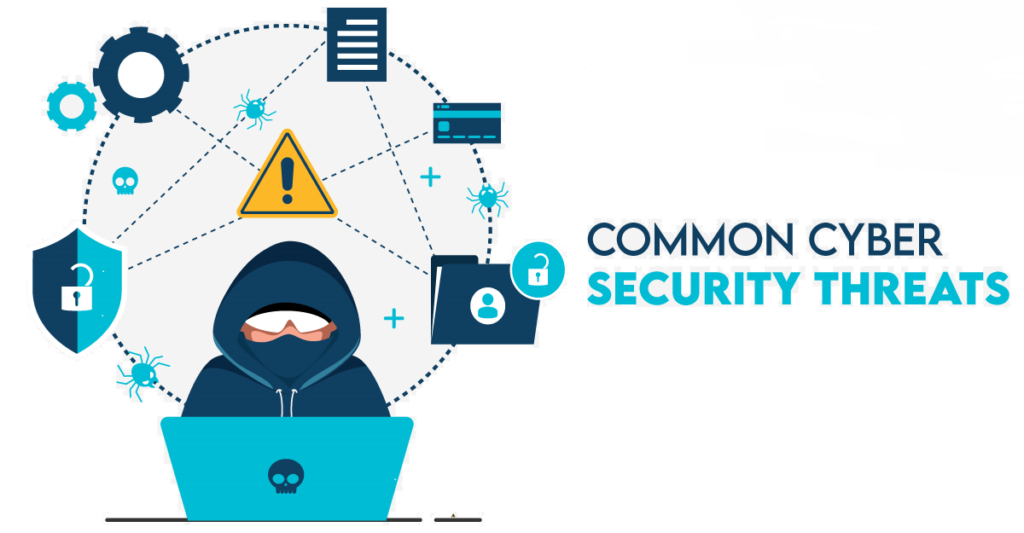
Cybersecurity: Common Threats and the Best Practices to Overcome Them
With technology increasing in use on a day-to-day basis, the role of cybersecurity has never been as critical as it is today. From doing banking and social interactions to doing homework and business activities, various electronic systems and programs contain valuable information that cybercriminals seek to steal. It is imperative to be aware of general cybercrime threats to avoid them.
What Is a Cybersecurity Threat?
_intro: h
Cybersecurity Threat: This can be generally described as any attempt to cause damage, steal, or unauthorized access to computer data or networks. Cybersecurity threats may target individuals, businesses, or even governments, leading to loss, damage, or violation of their data or privacy in any way.
Typical Cybersecurity Threats
- Phishing Attacks
“Phishing corresponds to the sending of fraudulent emails, messages, or Websites in an attempt to obtain individual’s personal information, such as passwords or bank accounts, by pretending to come from trusted sources.”
How to Avoid It:
To avoid this
Do not click on suspicious links
Verify the sender before replying
Utilize Spam filters & Email security software.
- Mal
Malware is considered to include malicious software like computer viruses, worms, and spyware. Malware can spread through downloads and infected Web sites.
Ways to Avoid It:
Instal termeks antivirus terpercaya
Do not download files from unfamiliar sources. Avoid visiting the links
Update software and operating systems.
- Weak Passwords
Using simple or reusing passwords can make it easier for hackers to guess or programmatically attack accounts.
How to Avoid It:
- Choose strong passwords that include letters, numbers, and special characters
Try not to reuse passwords for different accounts
Enable two-factor authentication (2FA)
- R
It locks files or computer systems and forces the victim to pay in order to regain access. It may have negative impacts on business and education institutions.
AVOID THIS BEHAVIOR IF.
Regularly back up important data
Do not click on unknown or unfamiliar attachments.
Upgrade security software to its latest version
- Risks of Wi-Fi
Public networks offered over Wi-Fi are also typically unsecured, hence vulnerable to hacking.
How to Avoid It:
Do not log on to sensitive websites on public Wi-Fi.
Secure websites (HTTPS)
Think about using a reputable virtual private network (VPN)
- Social Engineering
Social engineering is getting others to reveal secret information because of trust or fear, not because of any technical vulnerability.
How to Avoid It:
Be aware of pressing or emotionally charged messages
Never share private info without confirmation
Learn about scams that frequently happen.
Why Cyber Security Awareness Matters
______________________
Often, the human factor is the reason why cyberattacks are successful. Education and proper online behavior are the best ways to protect oneself against cyber dangers. It is crucial to be informed and cautious in cyberspace to avoid becoming a victim.
“Stay Safe Online” Best Practices
Regularly update software and hardware.
Use antivirus and firewall software
Often, one needs to back up their critical data
So be careful about emails, links, and downloads.
Keep your personal information secure on social media platforms Conclusion Cyber threats are becoming more sophisticated, yet many threats can actually be avoided by knowing what to do. By being more educated on what some common cyber threats are and by practicing safe online practices, one can easily keep their data, as well as their online life, safe from threats. Education leads to being safe on the online world.